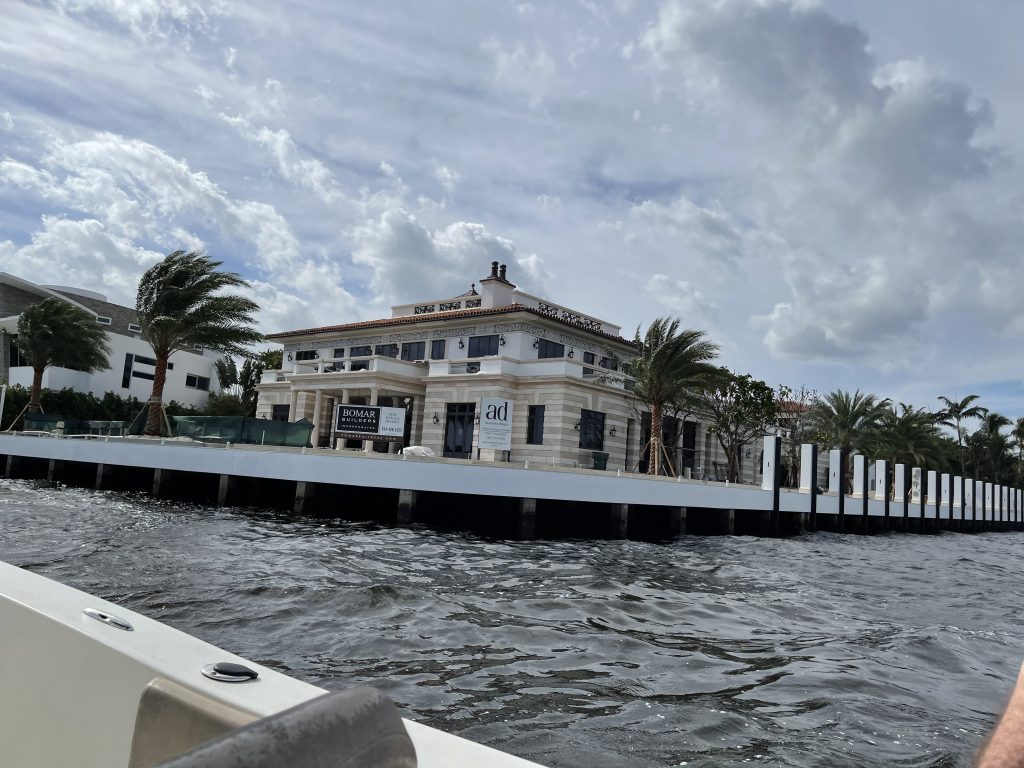
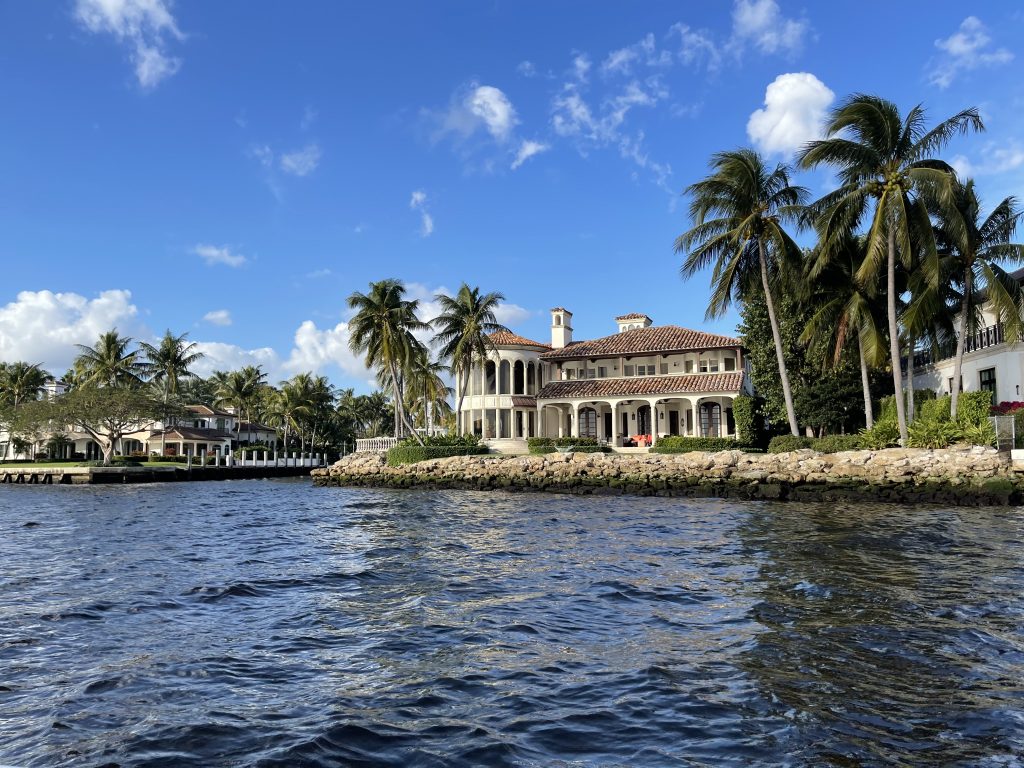
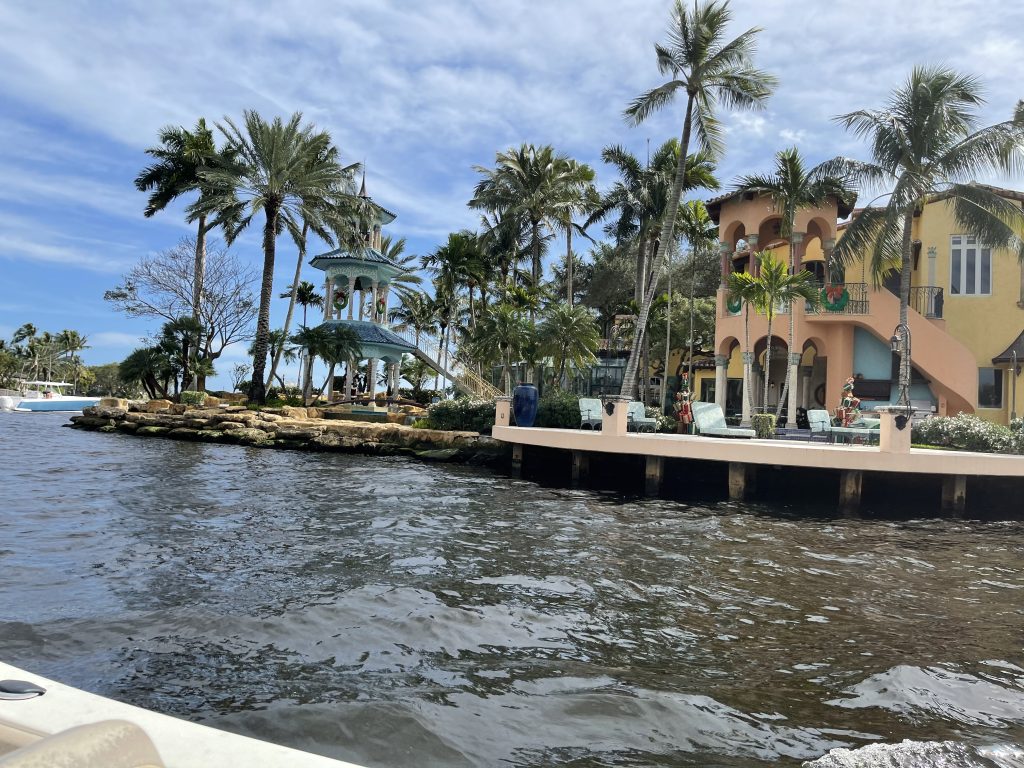
Fort Lauderdale began as a small military outpost and grew into one of South Florida’s major coastal cities, known today for tourism, boating, and its extensive canal system.
Indigenous Peoples and Early Florida
Before European settlement, the area was inhabited mainly by the Tequesta people, a Native American tribe that lived along the southeastern Florida coast for centuries. Spanish explorers arrived in the 1500s, but the region remained sparsely settled for hundreds of years.
The Seminole Wars and the “Fort Lauderdale” Name
The city gets its name from a series of forts built during the Second Seminole War. In 1838, Major William Lauderdaleled troops to establish a stockade along the New River.
There were actually three forts in the area, all called Fort Lauderdale, though none survived long after the war ended.
Founding of the Modern City
Permanent settlement did not really begin until the late 1800s. A major turning point came when developer Frank Stranahan established a trading post and ferry service on the New River in the 1890s. He is often called the “founder” of modern Fort Lauderdale.
Another huge influence was Henry Flagler, whose Florida East Coast Railway reached the area in 1896. The railroad connected South Florida to the rest of the state and encouraged rapid settlement and tourism.
Fort Lauderdale was officially incorporated as a city in 1911 and became the county seat of Broward County in 1915.
Boom Years and Tourism
During the 1920s Florida land boom, Fort Lauderdale expanded quickly with hotels, homes, and canals. Growth slowed during the Great Depression and a devastating 1926 hurricane, but resumed after World War II.
In the mid-20th century, Fort Lauderdale became famous as a spring break destination. Thousands of college students visited each year, especially after the 1960 movie Where the Boys Are showcased the city’s beach culture.